


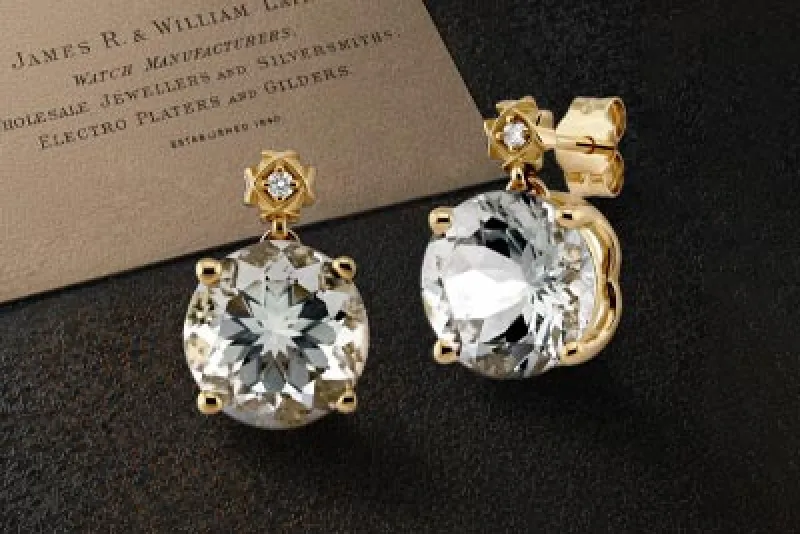





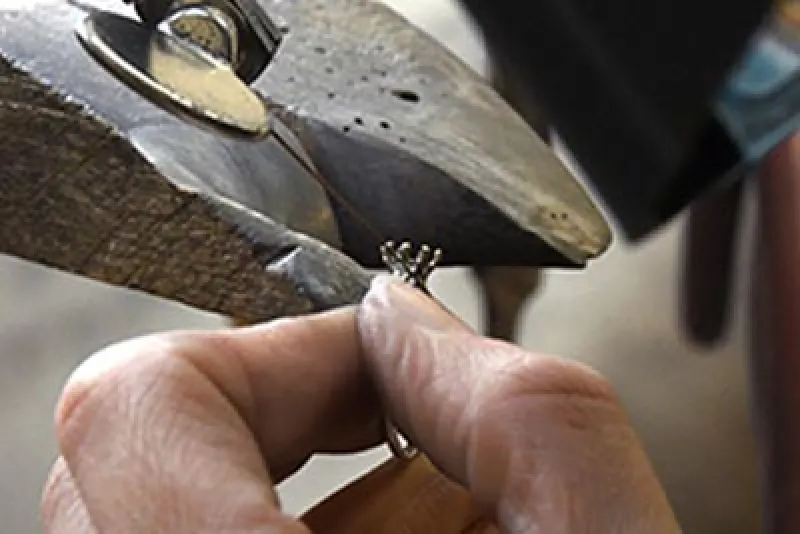

Diamonds form deep within the Earth's mantle under extreme heat and pressure, before volcanic activity brings them closer to the surface. Viewed as one of the world’s most prized gemstones and admired for centuries, this fascinating stone captivates onlookers with its beauty and profound mystique.
The Laings Journal

The Origins of Diamonds
What is a diamond?
Diamonds are essentially carbon, but it is their unique crystalline structure that creates the sparkling stones we use in fine jewellery and timepieces today. An environment of intense pressure and temperatures of up to 2000 degrees Fahrenheit combine to transform this crystalline structure into the treasured gemstones we know and love.
How diamonds form in the mantle
Diamonds form deep in the Earth’s mantle, around 150–200 km below the surface, where temperatures reach around 900–1,300°C and pressures exceed 45 kilobars. Under these extreme conditions, carbon atoms bond tightly together to create diamond’s unique crystal structure.
The carbon may come from ancient mantle material or from subducted oceanic crust carried down by tectonic plates. Over millions to billions of years, diamonds grow and remain stable only at high pressure. They reach the surface when rare volcanic eruptions bring them up through kimberlite and lamproite pipes, preserving them on their journey.

A closer look at carbon
Carbon is a naturally occurring single element that is present in all living things. With an inherently versatile bonding ability, carbon encapsulates diverse physical properties that are truly exceptional. An example of this is through a comparison with graphite. Diamonds are made of four covalent bonds, formed in a cubic structure that allows them to be tough and durable. Graphite, however, is only made of three covalent bonds formed in a hexagonal structure, in turn creating layers that cause the construction to be brittle and weak. While diamonds are not indestructible, their strength is superlative, meaning the only thing capable of scratching a diamond is another diamond.

Where do diamonds come from?
Today, diamonds are mined all over the world with the most abundant resources in Canada, Australia and Russia. Today, most diamonds are found in kimberlite pipes. This mining method involves vertical volcanic structures (kimberlite pipes) where diamonds form over billions of years, miles beneath the earth’s surface. Magma pushes the diamond crystals along with other minerals and rocks to the earth’s mantle where they can be collected. Diamond crystals can also be found in shallow alluvial deposits, due to geological activity, and flow into riverbeds from Kimberlite pipes. This process proves the value and rarity of natural diamonds.
Why do diamonds form in different colours?
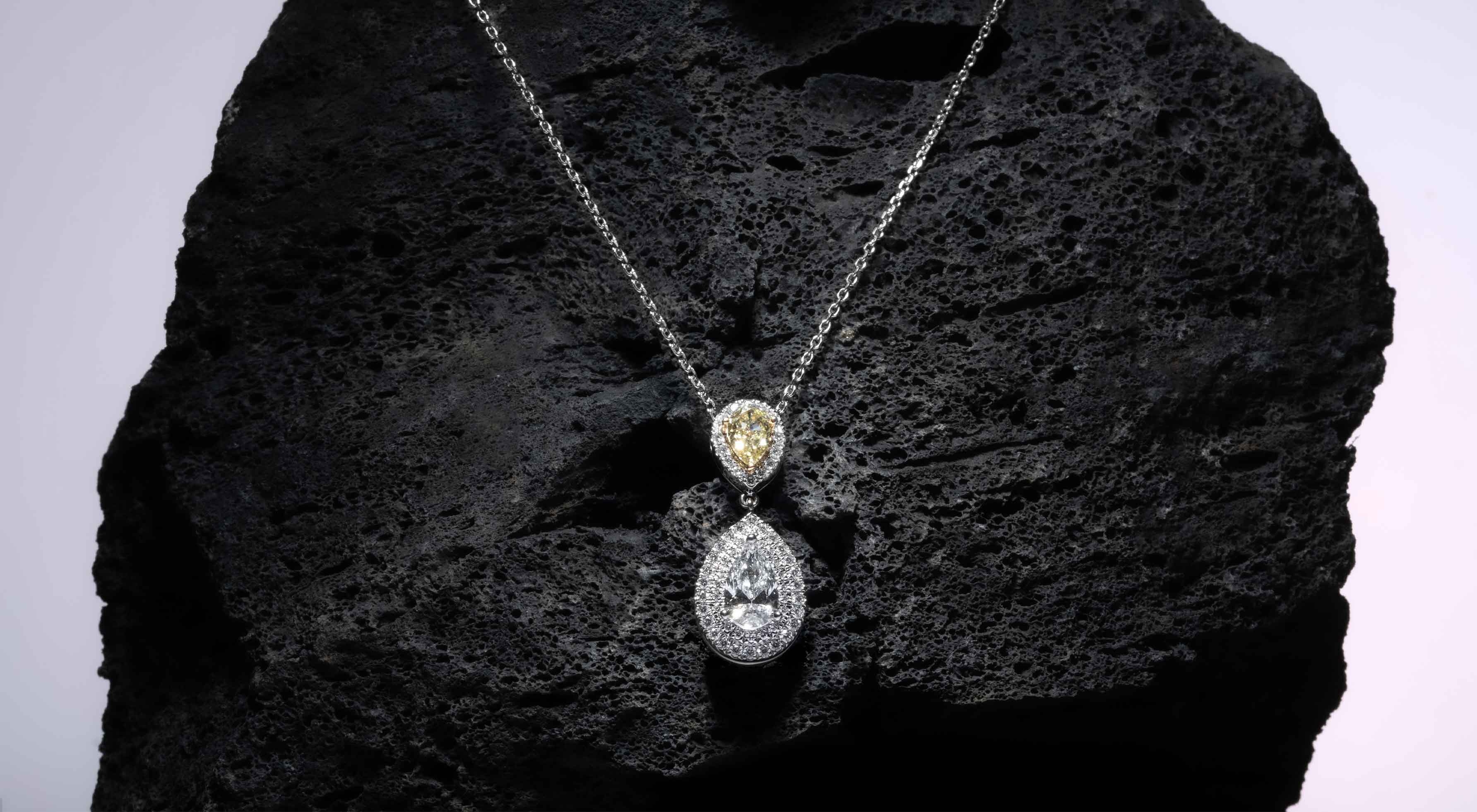
The environment in which a diamond is grown can significantly alter the gem’s optical properties. As we know, diamonds come in an array of beautiful colours and this individuality can be attributed to the presence of trace elements as well as changing environments during growth. Fancy yellow diamonds are caused by the presence of nitrogen within the diamond's carbon crystal lattice. Boron creates blue hues as its presence absorbs yellow light. However, diamonds in shades of red, pink and brown are caused by "plastic deformation", a structural distortion in their crystal structure. Pink diamonds are among the most rare diamonds.

Explore Diamond Jewellerywith Laings.
Follow our latest news on our social channels below. If you have any questions, please contact us and our experts would be delighted to assist you.