

Fabergé’s eggs are recognised around the world as legendary works of art and symbols of enchantment. The series of Imperial Eggs, presented between 1885 and 1916, were created using the finest craftsmanship, with rare and complex techniques such as the delicate art of guilloché enamelling, responsible for the vibrant and opulent colours the eggs are known for. We look at the story behind their unique designs, signature egg shape and the surprises inside which have become synonymous with Fabergé’s philosophy today.
The Laings Journal

The History of the Iconic Fabergé Eggs
Fabergé was founded in 1842, when Gustav Fabergé completed his goldsmith apprenticeship and opened a jewellery store in Saint Petersburg, Russia. In 1860, Gustav retired and his son, Peter Carl Fabergé, took over managing the business. Peter had an eye for art and colour, challenging traditional jewellery styles and creating unique pieces. He also made decorative boxes, frames, and cigarette cases with vibrant enamelling details.
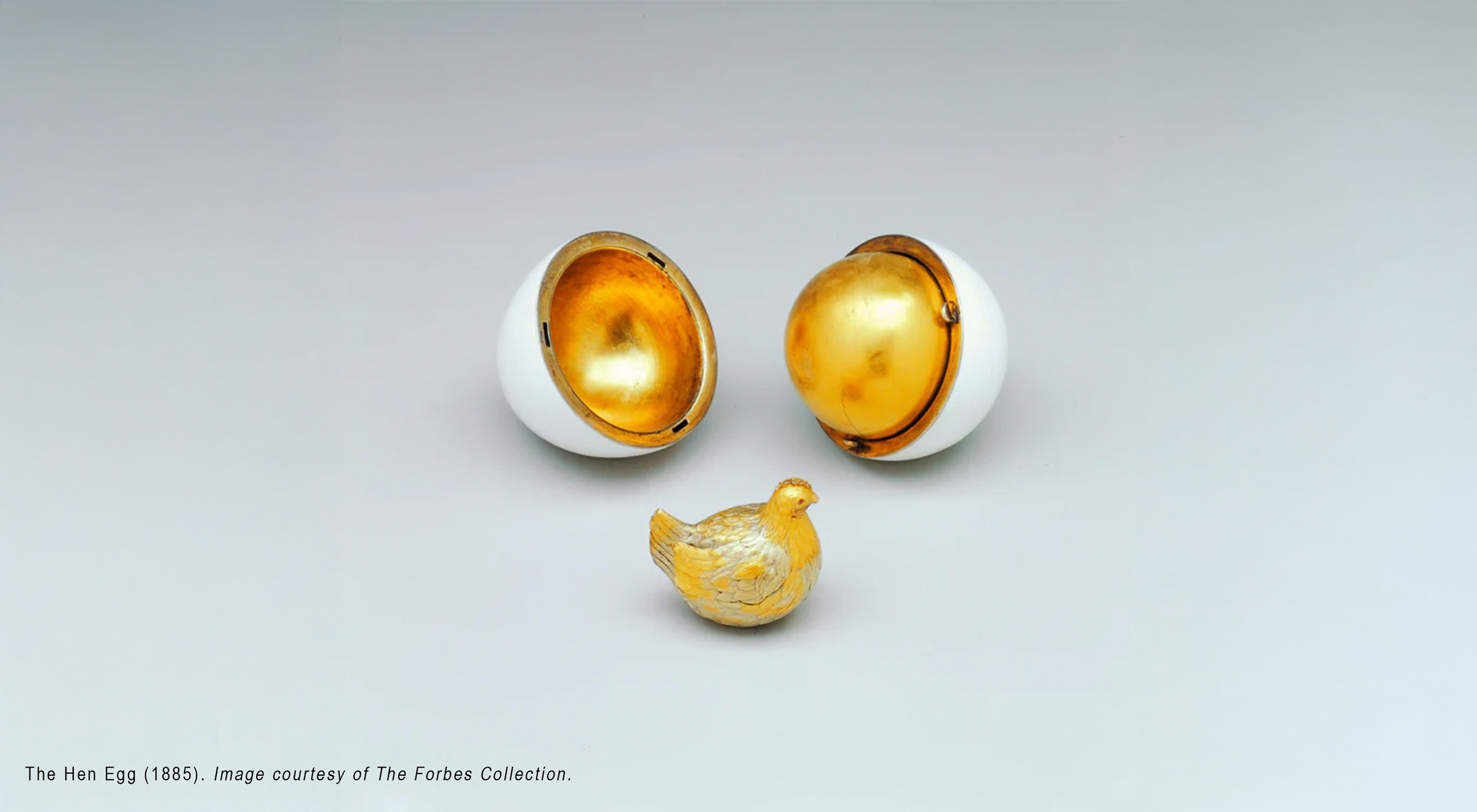
In 1885, the world’s first Fabergé egg was commissioned as an Easter gift from Emperor Alexander III for his wife, Empress Maria Feodorovna. This was the ‘Hen Egg’, which celebrates its 140th anniversary this year. Each egg Fabergé created was unique and crafted using the finest gold, rubies, diamonds, and other coloured gemstones. Fabergé was given creative freedom with the design of the eggs, briefed simply that they must include a surprise.
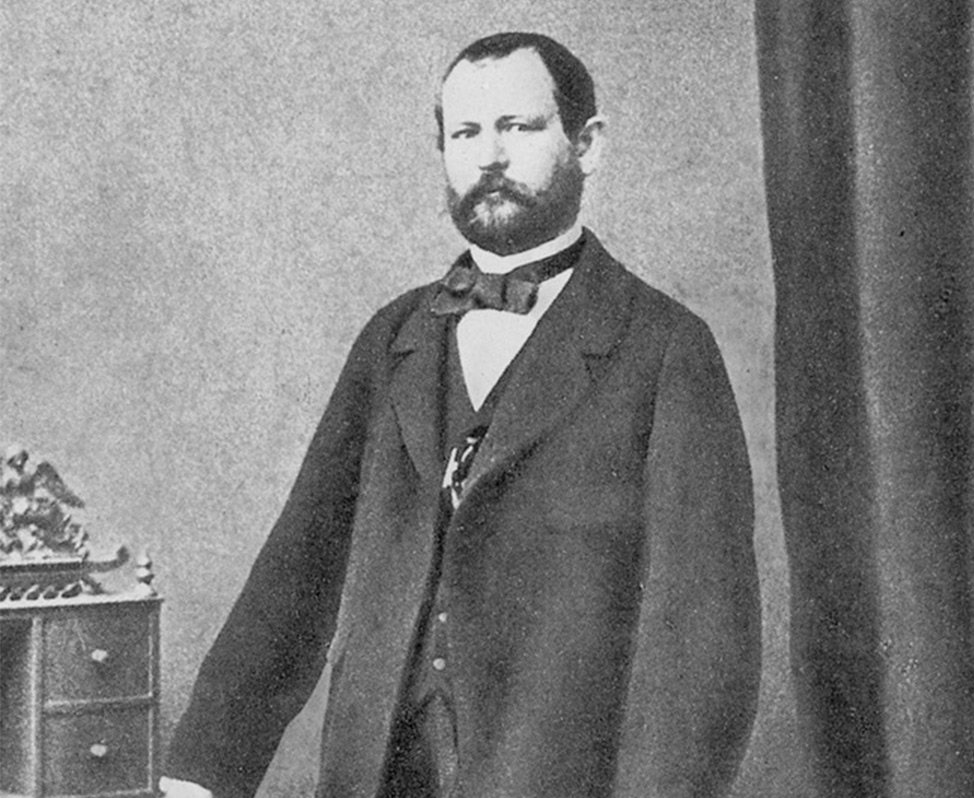
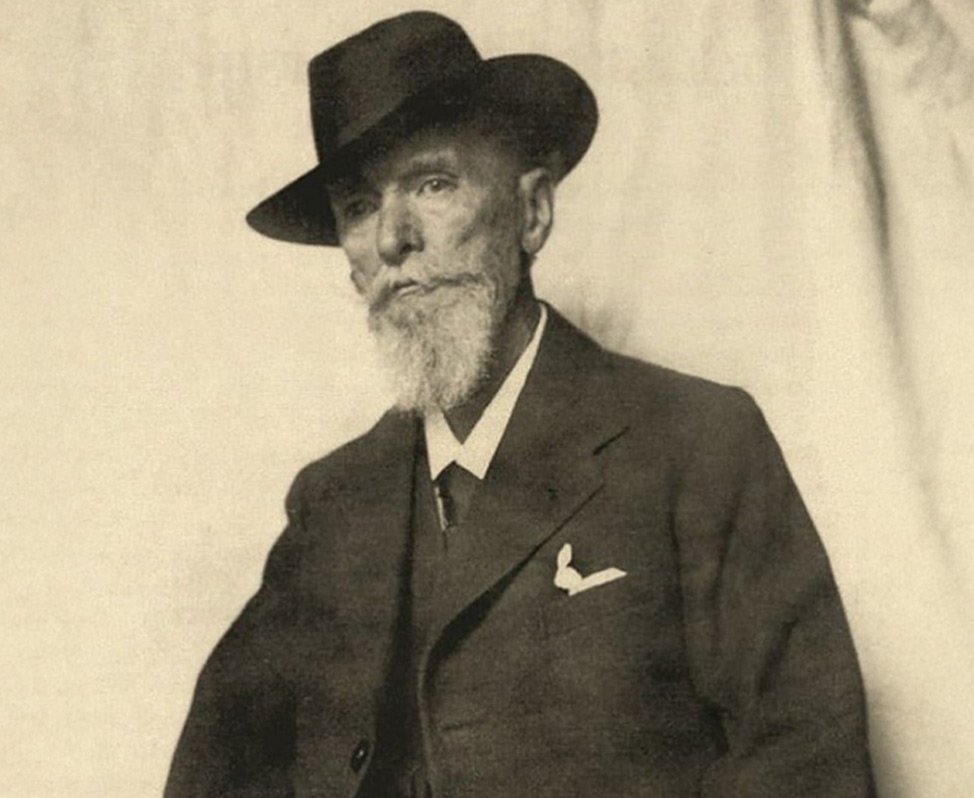
Image caption: Gustav Fabergé (left) and Peter Carl Fabergé (right). Images courtesy of Fabergé.
Throughout the last century, the Fabergé Imperial Eggs have been displayed in museums around the world. Most recently, a collection was showcased at the Victoria and Albert Museum in the ‘Fabergé in London: Romance to Revolution’ exhibition during 2021 and 2022. The exhibition saw magical designs including the Rosebud Egg, the Coronation Egg, and the Winter Egg, on display for the public to discover.
The Rosebud Egg was created in 1895 and is decorated with red enamel and gold, with a yellow rosebud concealed inside, containing a miniature Imperial crown pendant adorned with diamonds and rubies. The Coronation Egg was made in 1897 and crafted with gold, diamonds, and rubies, with a royal coach hidden inside. The Winter Egg was made in 1913 with rock crystal and rose cut diamonds, containing a hidden platinum flower basket inside.
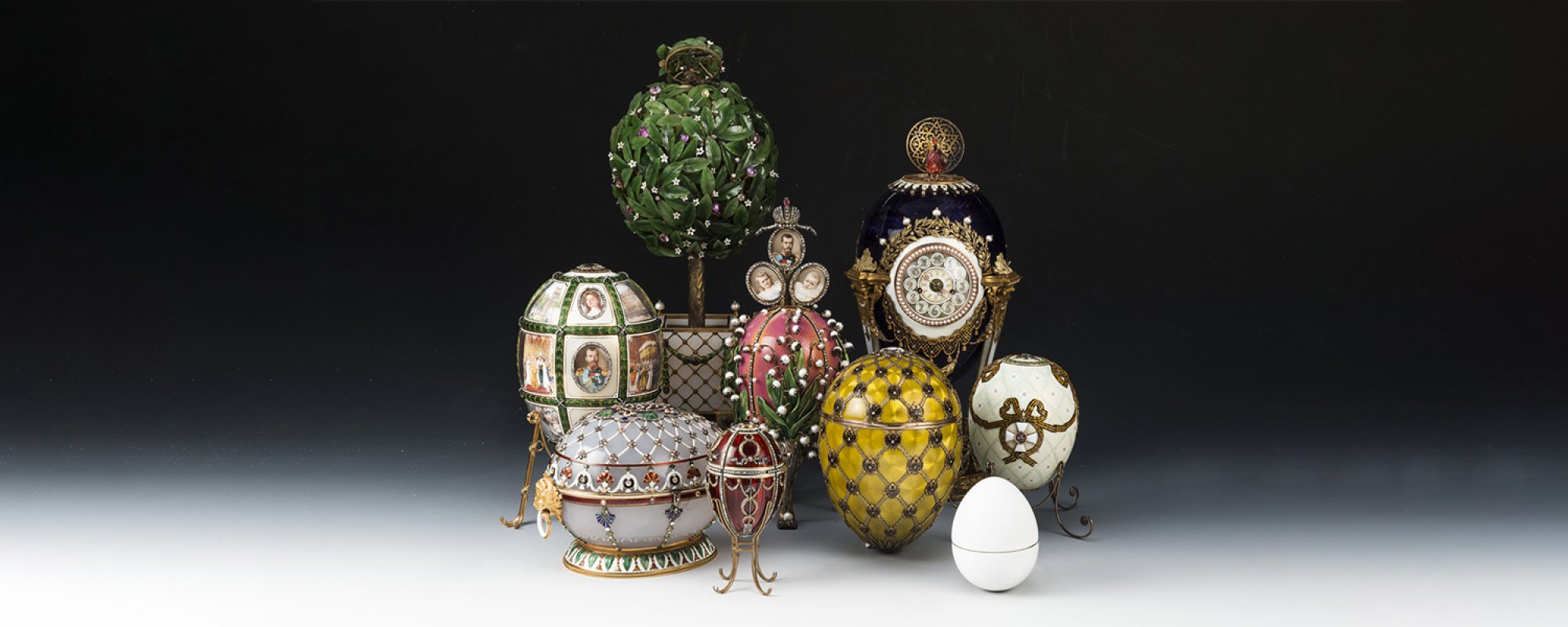
Image caption: Image courtesy of Fabergé.
There are three Imperial eggs in the Royal Collection, acquired by King George V and Queen Mary in the 1930s. These include the Basket of Flowers Egg, the Colonnade Egg, and the Mosaic Egg.
The Basket of Flowers Egg was created as a gift from Emperor Nicholas II for this wife, Empress Alexandra Feodorovna, in 1901 and features her favourite flowers. These included pansies, cornflowers, daisies, and mock orange combined with grass and moss details.
Crafted in 1910, the Colonnade Egg features a rotating clock in the centre representing family and the love between the Emperor, Empress and their four daughters. The four cherubs were included to represent their daughters Olga, Tatiana, Maria and Anastasia, alongside a temple of love with impressive, enamelled columns containing precious gemstones.
The Mosaic Egg was created in 1914 and stands out with its multi-coloured flower outer shell, framed with gold, pearls and diamonds. The flowers are crafted with a plethora of gemstones including rubies, topazes, sapphires, and emeralds, arranged to look like embroidery. There was a surprise portrait inside of the Emperor and Empress’ five children inside, adding the signature personal touch of Fabergé to the gift.
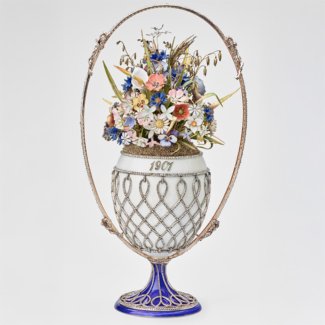
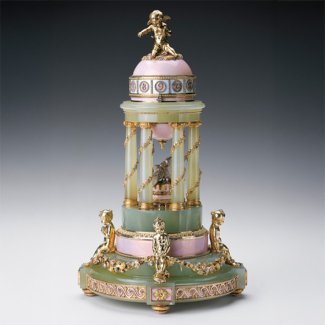
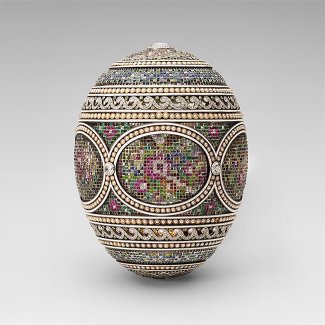
Image caption: The Basket of Flowers Egg (1901): Image Courtesy of The Royal Collection (left), The Colonnade Egg (1910): Image Courtesy of The Royal Collection (middle), The Mosaic Egg (1914): Image Courtesy of The Royal Collection (right).
The production of Fabergé eggs ceased in 1917, when the Imperial Family in Russia were overthrown. Although most Fabergé eggs were later found, there are seven that remain missing to this day. The most recent rediscovery of a missing Fabergé Egg came in 2012, when the Third Imperial Egg – thought to have been lost forever – was almost melted down for its precious metal after it as bought by a scrap metal dealer. After being verified by an antique expert, the Third Imperial Egg found a new home in a private collector’s archive. Fabergé continues to be inspired by the egg’s rich heritage, and showcases a number of different egg creations within its contemporary jewellery and objet collections today. Necklaces, pendants, rings, earrings, and bracelets all feature within the Colours of Love, Heritage, Fabergé Essence, Emotion and Treillage collections, which are all available to discover at Laings.

Image caption: The Third Imperial Egg (1887): Image Courtesy of Getty Images.
The Limited-Edition ‘Fabergé In Bloom’ collection was designed in 2022 to celebrate Fabergé’s 180th anniversary, representing the spirited collections in a nod to Peter Carl Fabergé’s floral studies. Laings had the honour of presenting the Fabergé Limited-Edition Water Lily and Wild Strawberry Surprise Egg Objets. With only 10 of each created in the world, these incredible creations are the ultimate collector’s pieces and heirlooms to be passed down for generations, embodying the spirit of fantasy and imagination that Fabergé is built upon.
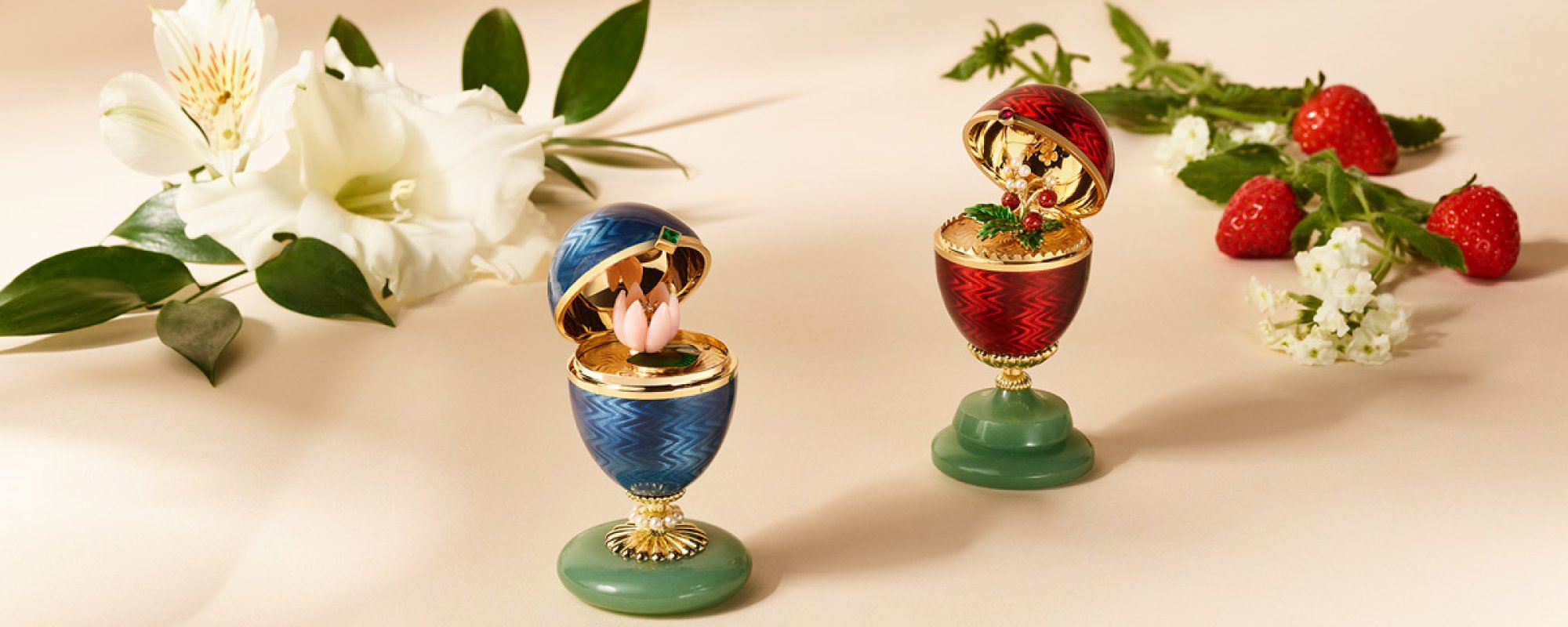
Image caption: Fabergé Limited-Edition Water Lily Egg (left) and Wild Strawberry Surprise Egg (right) Objets. Image courtesy of Fabergé.
DISCOVER FABERGÉ
Thank you for taking the time to read about the history of Fabergé eggs. To enquire about Fabergé’s collection of jewellery and objet at Laings, book an appointment in one of our showrooms.