

The Laings Journal

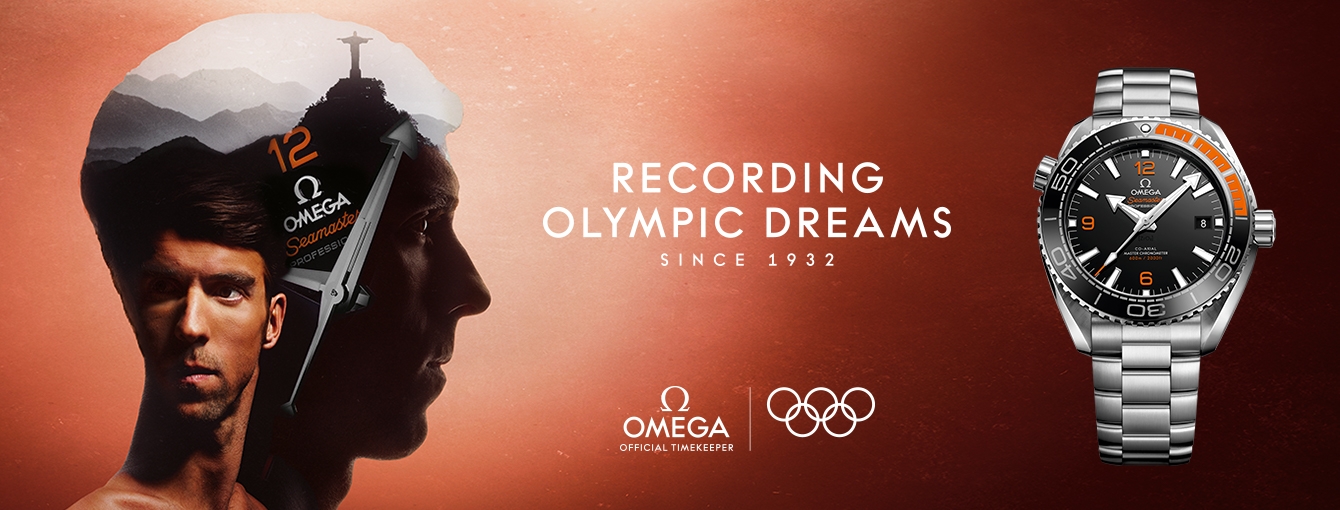
Omega at the Olympics - Making Timekeeping History
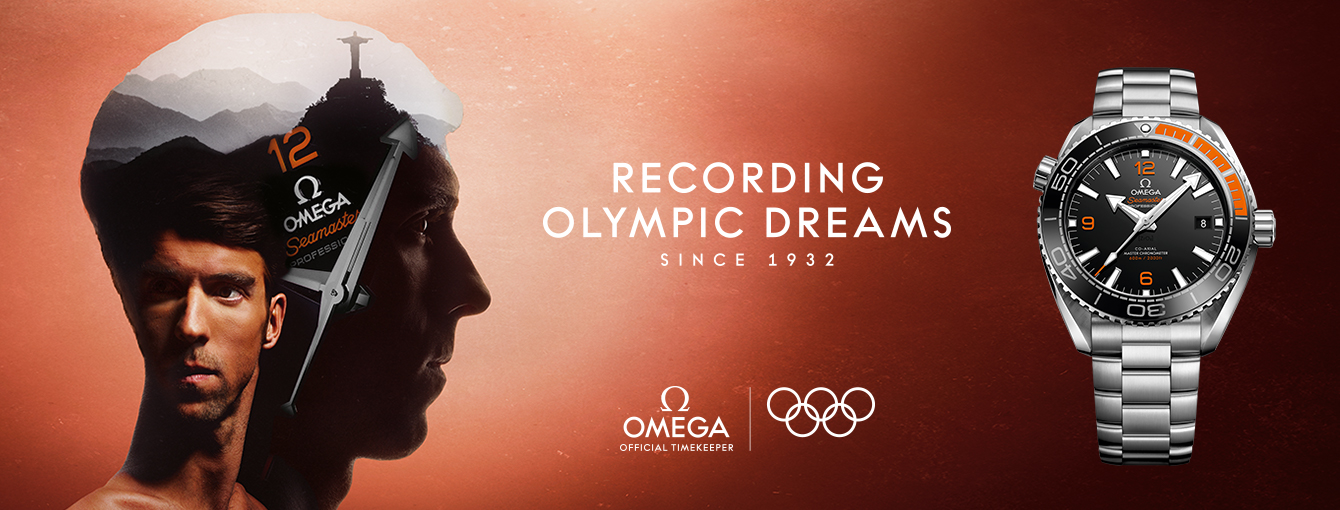
The 2016 Rio Olympics marks Omega’s 27th games as official timekeeper. A lot has changed since the 30 split-second chronographs used at the Los Angeles games of 1932, where results were taken at fifths and tenths of a second. Back then, runners used to dig their own starting divots with a small shovel. At this year’s games, sprinters will start from blocks that are connected to the starting gun, broadcasting the sound through speakers in the blocks to ensure all runners hear it at the exact same time. The blocks also use pressure pads to detect false starts, measuring the pressure of the athlete’s foot against the block 4,000 times per second. Gone are the days of a tape to run through at the finish line, replaced today by lasers projected across the line, synchronised with a high-speed digital video camera
Just as sports have changed and athletes have continued to push new limits, technology for recording both picture and time have evolved dramatically since those early days. Omega have been at the forefront of these developments, with a number of memorable moments over the years:
1948 – the first photo-finish camera was developed and worked in tandem with Omega’s timing kit to record image and time simultaneously.
1952 – times were recorded to the 100th of a second thanks to the new Racend Omega Timer.
1956 – the Swim Eight-O-Matic Timer was the first semi-automatic timekeeping device, used in the pool to distinguish between two individual swimmers with virtually the same time.
1960 – A controversial result in the pool, judged by human eye and timing, led to a long dispute over the winner of the 100m freestyle and the decision that all swimming events must be timed electronically going forward. This pushed Omega to create innovative new technology that would guarantee accurate results.
1964 – the Omegascope superimposed numbers onto TV screens, giving viewers around the world real time results.
1968 – the pool saw another innovation with the introduction of the touchpad, allowing the swimmers to stop their own clocks, and for all swimming races to be time electronically following the controversy of 1960. On the track, American Lee Evans became the first man to run the 400m in under 44 seconds.
1972 – the 400-meter medley was the first race determined by 1000th of a second, with Sweden’s Gunnar Larsson beating the USA’s Tim McKee with a time of 4:31,981 compared to McKee’s 4:31,983.
1984 – Omega introduced false start detectors on the track, and recorded swimming’s first ever joint gold
1988 – American sprinter Florence Griffith Joyner produced an historic performance in the 200m, breaking the Olympic record in the first round, the world record in the semis, and then beating that record again in the final with a time of 21.34s.
1992 – a photofinish was used to determine the winner of the women’s 100m final, with five sprinters finishing within 0.06 seconds of each other. The USA’s Gail Devers took the gold with a time of 10.82 seconds.
1996 – At the Atlanta games both acceleration and running speed were measured for the first time. This showed that, despite being the last out of the blocks, Donovan Bailey won the 100m by having the fastest acceleration and consistent speed. Michael Johnson smashed the 200m world record with a time of 19.32 seconds, running the second hundred metres of the race in just 9.2 seconds.
2000 – Omega launched www.omegatiming.com, giving fans access to a range of timing and ranking stats within 15 seconds of the end of a race. The Australian men’s swim team memorably beat the US in the 4x100 metres freestyle by just 0.17 seconds and claimed the world record in the process.
2008 – Omega’s timing equipment combined with high speed video equipment to prove Michael Phelps’ win of the 100m butterfly by 100th of a second – the smallest margin possible in the pool. This was just one of Phelp’s eight golds secured that year. Usain Bolt became the fasted man on earth, breaking the world records and taking gold in both the 100m and 200m.
2010 – the starting gun was replaced with a new electronic device which simultaneously plays a sound, emits a flash of light and gives a start pulse to the timing device for ultimate accuracy.
2016 – this year we will see the introduction of the Myria photofinish camera, which takes an incredible 10,000 digital images per second to record all finish lines. Golf will feature in the Games for the first time, and Omega will record this with new radar technology that measures and displays the height, speed and estimated distance of swings.
Omega’s contribution to the Olympics cannot be underestimated. Without their timing technology there could be no winners. Their commitment to continually producing state-of-the-art technology has helped to push the sports forward, to keep athletes perusing that tiniest of margins that could make them champions. As the Rio games get underway we can’t wait to see what records will be broken and what histories will be made.
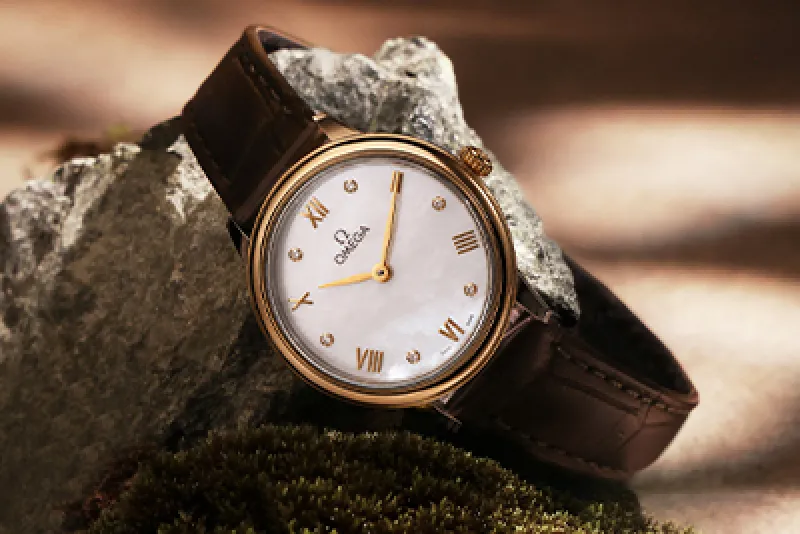
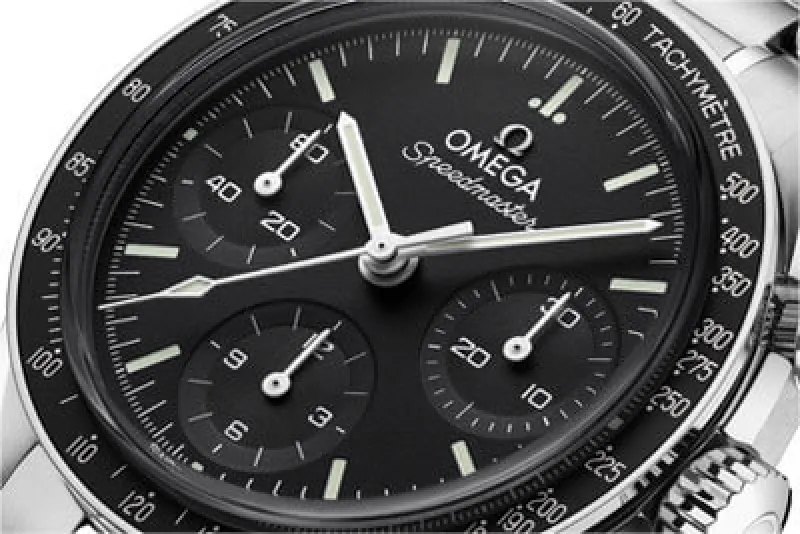
Omega always celebrate this incredible partnership with limited edition timepieces that capture the spirit of the world's greated sporting event. Shop this year's pieces here, or contact us for more information