
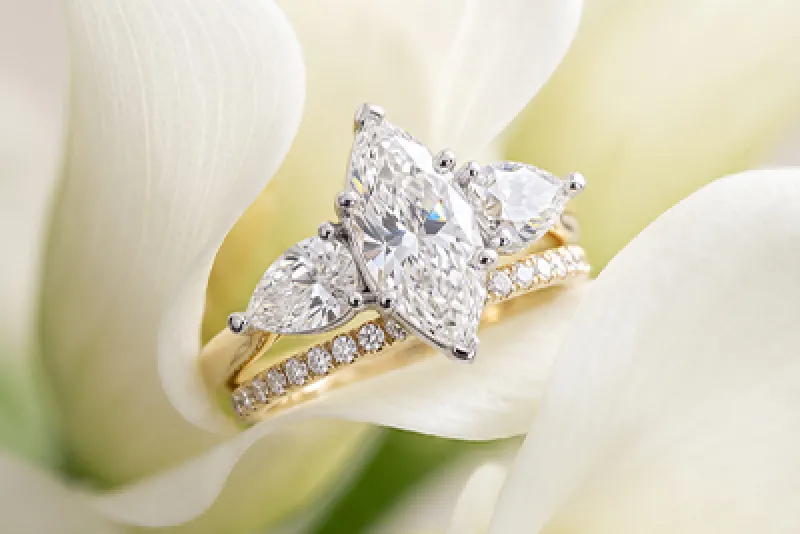
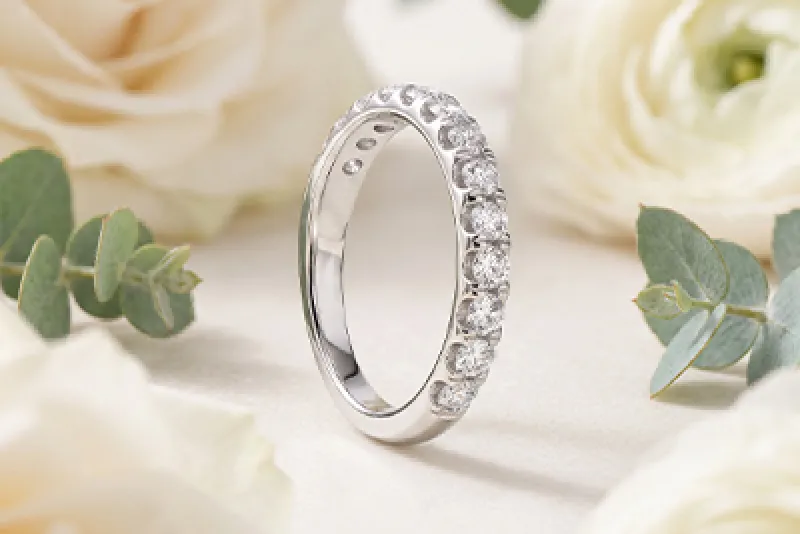
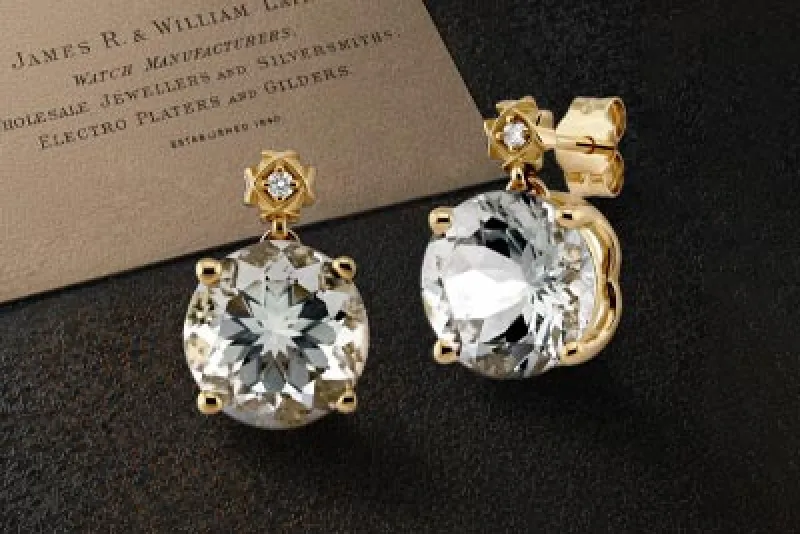

For 185 years, Laings has built a legacy of diamond expertise, hand-selecting the most captivating stones for our timeless creations. It is our privilege to share this knowledge with you so that you can fully behold the beauty of your diamond.
The Laings Journal

One of Earth's most precious creations, the diamond has become an emblem of love, commitment, and triumph. Although admired through the ages, it was not until 1953 that GIA developed the first classification system for grading diamond quality, this system is now accepted worldwide. When purchasing diamonds, whether it be rings, earrings, or other diamond jewellery, it is essential to understand what to look for in the gemstone's characteristics. This guide will walk you through the 4Cs grading: Cut, Colour, Clarity, and Carat Weight.
The First C: Cut
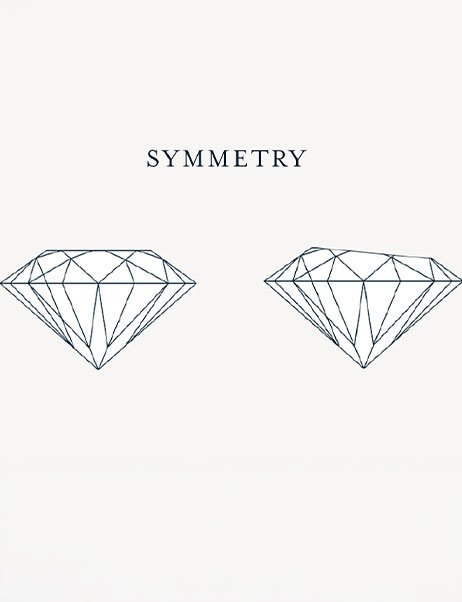
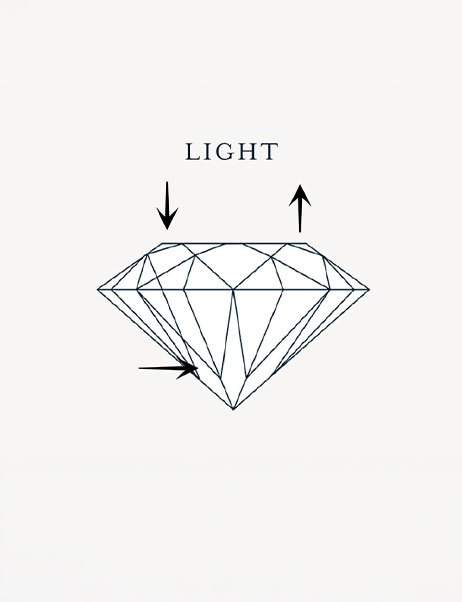
While we often associate a diamond's cut with its shape, what we are really referring to is the precision of the cut of the diamond to achieve the desired shape. The accuracy determines the arrangement and proportions of the diamond's facets, which directly influence how it interacts with light and produces sparkle.
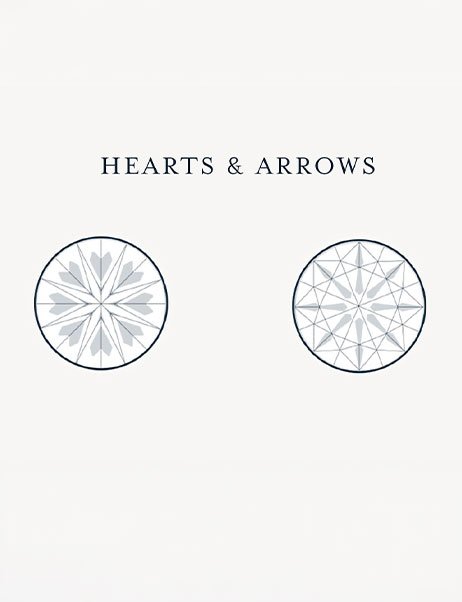
A diamond's cut is graded on a scale ranging from poor to excellent. To achieve an excellent cut, specific visual markers can be observed. When viewed through a proportion scope from the top, you should see eight perfectly formed arrows, and when viewed from the bottom, eight perfectly formed hearts.
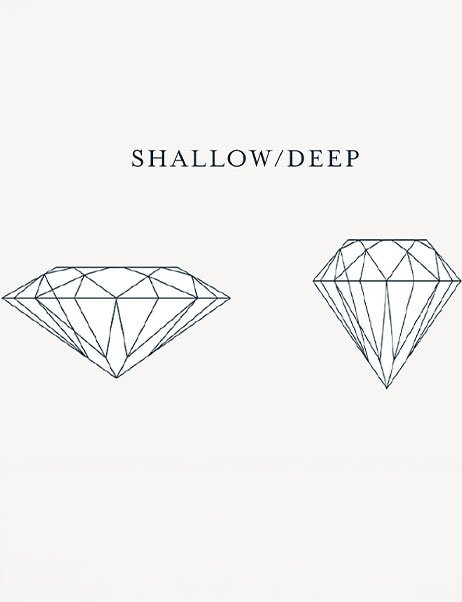
A diamond’s cut grade also reflects the precision of its proportions and symmetry. When a stone is cut too deep, too shallow, or with uneven facets, it cannot return light effectively through the table, diminishing the brilliance and sparkle that define a truly exceptional diamond.
The Second C: Colour
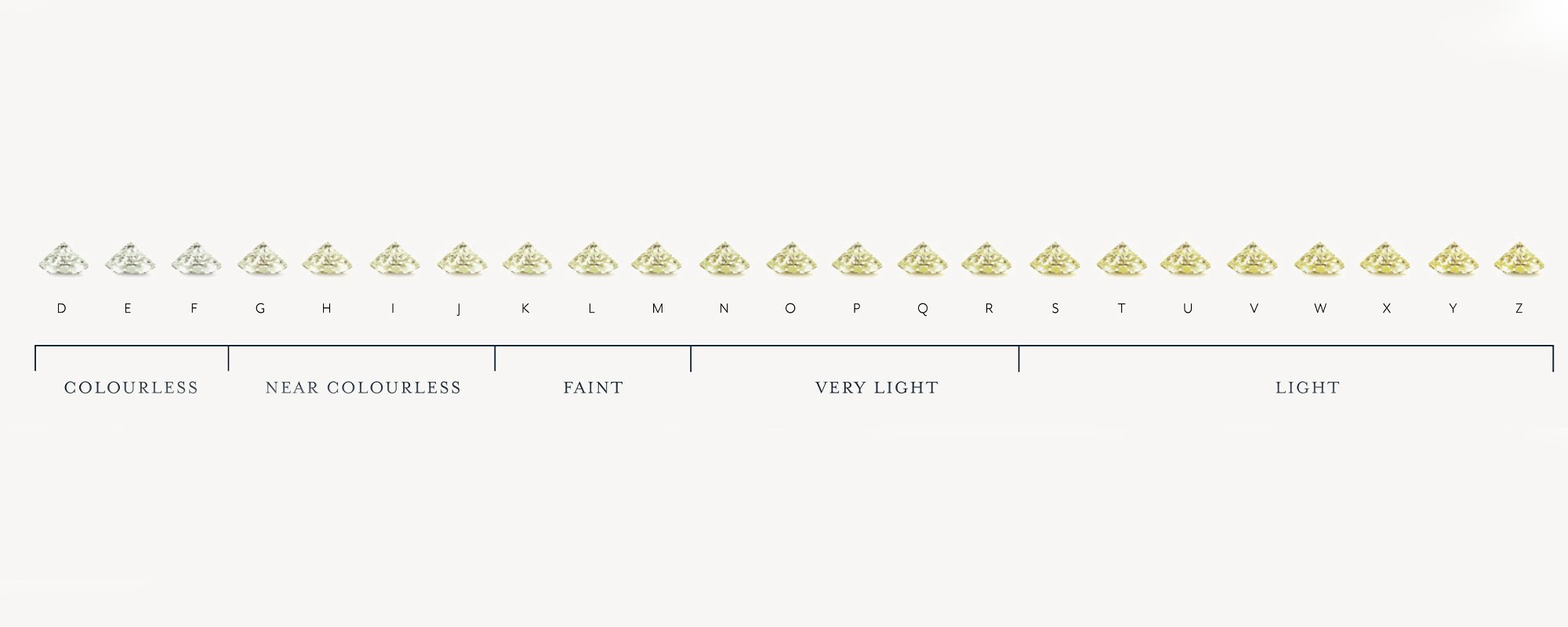
Colour grading is based on the absence of colour within the stone. Using the GIA colour scale, diamonds are graded from D, signifying complete colourlessness, to Z, indicating a light hue. Under controlled conditions, gemologists evaluate each diamond and assign one of 23 precise colour grades, which play a crucial role in determining its value. At Laings, we have curated a selection of diamonds which are typically near colourless or higher, each meticulously chosen to meet our standards of beauty and quality.
It is common to assume that any diamond with a yellow tint falls into the lower end of the colour scale. However, fancy yellow diamonds and poorly coloured diamonds (such as those graded X–Z) are worlds apart, both in beauty and in value. Fancy yellow diamonds are celebrated for their colour. Their rich golden tones come from a higher concentration of nitrogen within the crystal structure, creating a vibrant hue that is intentional and graded on the Fancy Colour scale. These stones display depth, saturation and evenness of colour which make them more desirable. By contrast, Z‑colour diamonds sit at the very end of the D–Z colourless scale. These are diamonds that were originally intended to be white but developed a noticeable yellow tint. The colour is typically pale, uneven, or slightly “muddy,” lacking the saturation that defines a true fancy yellow.
The Third C: Clarity
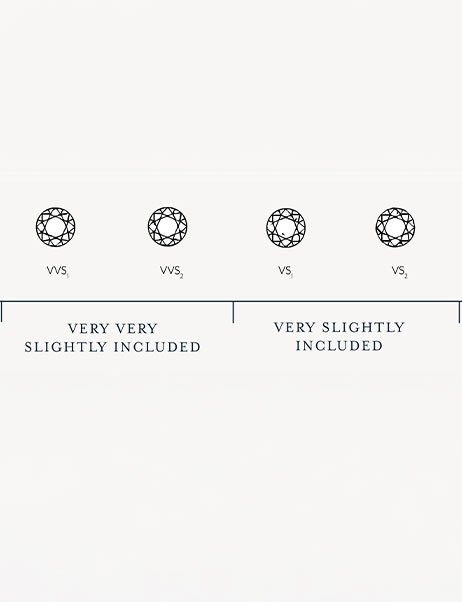
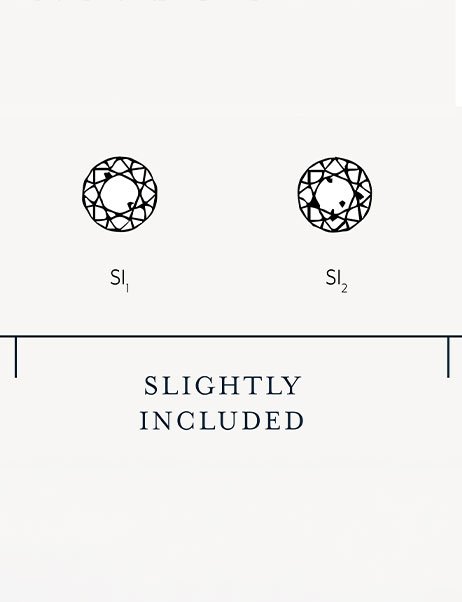
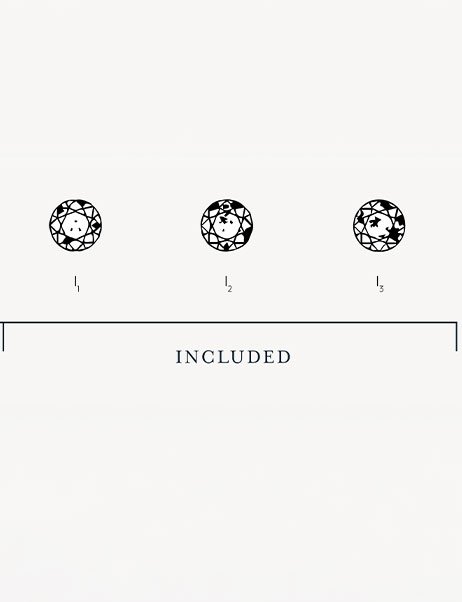
No two diamonds are the same, and their unique characteristics are revealed through an assessment of clarity. Clarity refers to the presence of inclusions, which are natural birthmarks formed within the diamond during its creation.
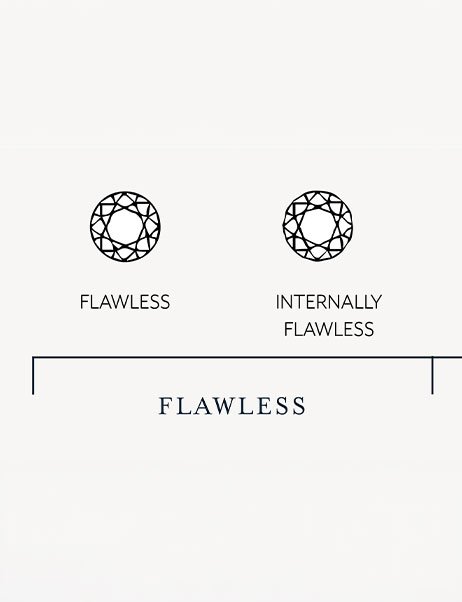
Diamonds with a clarity grade of 'Flawless' are exceptionally rare, exhibiting no visible inclusions even under 10x magnification. At the opposite end of the scale, 'Included' diamonds display inclusions that are easily visible at the same magnification. This grading system evaluates the location, size, and visibility of inclusions to accurately reflect the diamond's individuality and value.
The Fourth C: Carat Weight
Carat refers to the weight of a diamond, not its size. This measurement is expressed in points, with one carat consisting of 100 points. For instance, a diamond weighing 0.55 carats is commonly described as fifty-five points.
While carat weight can serve as a general reference when comparing stones, it should not be used as the sole indicator of quality. Bigger does not necessarily mean better, as the value and beauty of a diamond is influenced by all grading factors.

The Fifth C: Certificate
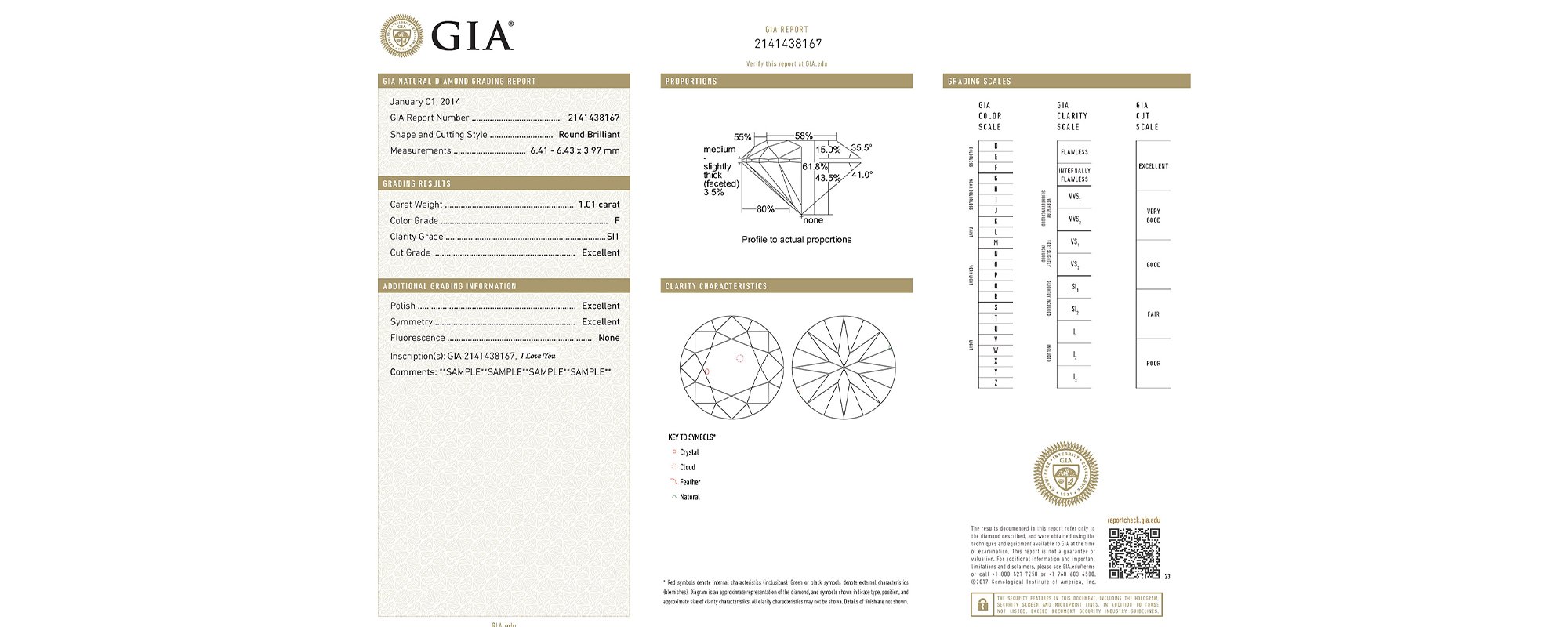
It is often said that there is an additional 'C' to consider - the diamond certificate. This certificate provides a breakdown of the 4Cs, offering a detailed assessment of your diamond's characteristics. The certificate must be issued by an independent and reputable body, ensuring the diamond has been graded under optimal conditions by an unbiased source. At Laings, we primarily work with the renowned Gemological Institute of America (GIA) and the International Gemological Institute (IGI), who are recognized for providing the highest standards for diamond gradings.
4Cs FAQs
What are the 4Cs of diamonds?
The 4Cs of diamonds are cut, colour, clarity and carat weight. They are the global standard for assessing diamond quality and help buyers compare stones with confidence.
Which of the 4Cs is the most important?
The cut is widely considered the most important of the 4Cs because it has the greatest impact on a diamond's brilliance and sparkle. Even a high‑colour or high‑clarity diamond can appear dull if the cut quality is poor. A well‑cut diamond reflects light beautifully, making it appear brighter and more lively.
Does carat weight determine a diamond’s size?
Carat weight measures a diamond's mass, not its exact size. While higher carat weight means a larger diamond, the cut, shape and proportions also influence how big a diamond appears. For example, a well‑cut 1‑carat diamond can look larger than a poorly cut one of the same weight.
How do the 4Cs affect diamond price?
Each of the 4Cs affect diamond price and naturally a higher carat weight, cut quality, colour and clarity will increase the value of a diamond. Diamonds with balanced grades across all four Cs typically offer the best value.
Are the 4Cs the same for lab-grown and natural diamonds?
Yes — the 4Cs are used to grade both natural and lab‑grown diamonds. The grading standards are identical, although lab‑grown diamonds typically cost less. Regardless of origin, cut, colour, clarity and carat weight remain the key indicators of quality.
Explore Diamond Jewellery with Laings.
Follow our latest news on our social channels below. If you have any questions, please contact us and our experts would be delighted to assist you.